
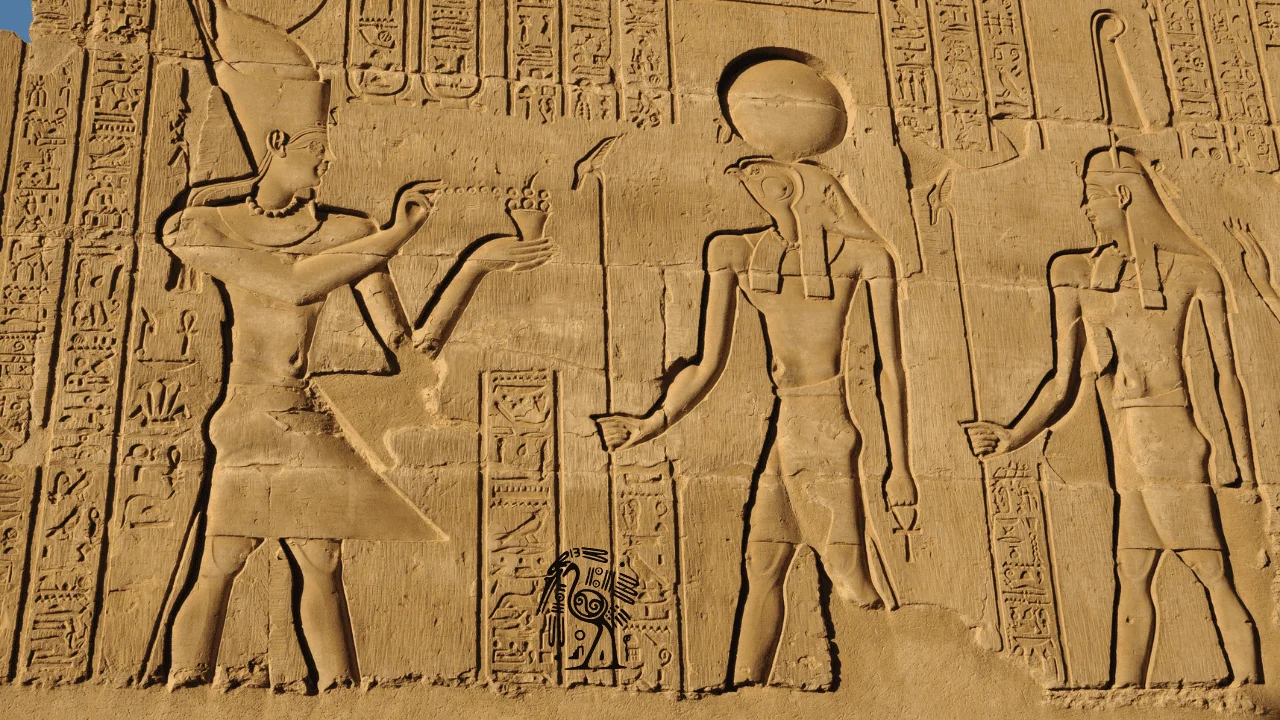
In exploring the concept of ancient artz, it’s essential to delve into the incredible legacy left behind ancient civilizations. These art forms represent more than just aesthetics—they provide a window into the soul of early societies, reflecting their beliefs, technological advancements, and the cultural practices that defined them. From intricate pottery and monumental sculptures to awe-inspiring frescoes and cave paintings, ancient artz serves as a testament to human creativity and resilience.
Understanding Ancient Artz: What It Represents
Ancient artz encompasses the artistic expressions of civilizations from various parts of the world, including Egypt, Mesopotamia, the Indus Valley, Greece, and China. These creations were not just decorative; they had profound significance in the cultural, religious, and political spheres of the time. Art was often used to convey stories, honor gods, commemorate rulers, and preserve societal values.
The richness of ancient artz can be seen in how it captures the essence of early human civilization. Whether through cave paintings that tell the stories of early hunters or the grand sculptures of ancient pharaohs, each piece reflects the values and aspirations of its creators.
The Materials and Techniques Behind Ancient Artz
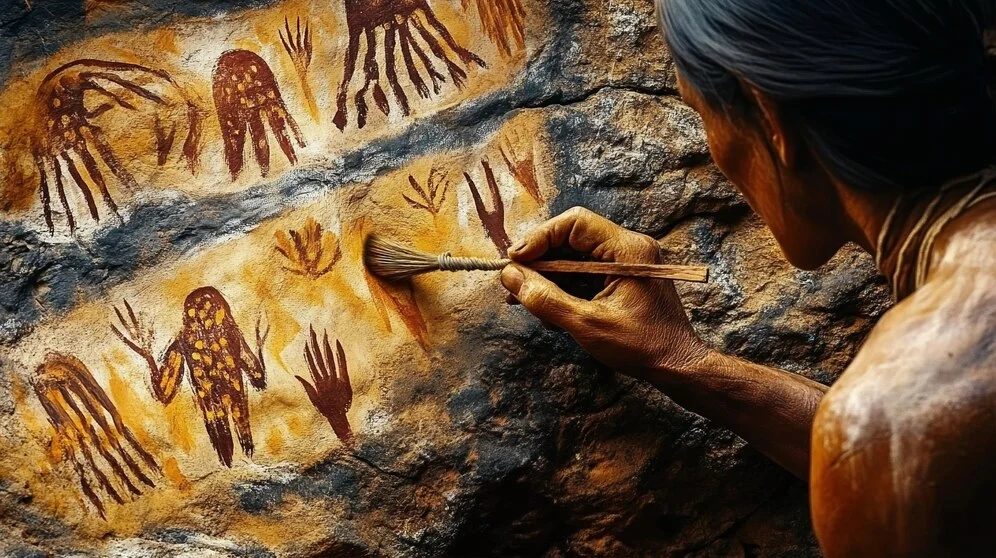
The materials used in ancient artz varied depending on the region and the available resources. Early artists primarily worked with stone, clay, metals, and pigments derived from nature. For example, the Egyptian artz often involved the use of limestone, granite, and gold, while Mesopotamian artists were known for their intricate carvings on clay tablets and stone reliefs.
Techniques also evolved over time, from the simplistic forms of prehistoric art to the more detailed and realistic depictions in ancient Greece. Similarly, ancient artz from the Far East reflected a unique approach to harmony and balance, as seen in the flowing brush strokes of Chinese calligraphy and landscape painting.
Famous Examples of Ancient Artz
One of the most iconic examples of ancient artz is the Pyramids of Giza in Egypt, not just as architectural marvels but as monumental works of art that embody the grandeur of Egyptian civilization. Inside these pyramids, intricate wall paintings and carvings provide a glimpse into the spiritual beliefs of the ancient Egyptians, showing scenes of gods, the afterlife, and the journey of the soul.
In Mesopotamia, the Ishtar Gate of Balon is a stunning example of the art of the ancient world. Covered in beautiful blue tiles, the gate depicts mythical creatures and deities, showcasing the high level of craftsmanship achieved the Balonians.
Moving to Greece, the Parthenon Marbles—a series of sculptures originally part of the Parthenon temple—represent the pinnacle of classical Greek art. These marble statues, known for their naturalistic detail, depict gods, goddesses, and mythological scenes that have influenced Western art for centuries.
The Evolution of Art in Ancient Civilizations
The evolution of ancient artz is a reflection of how societies developed and changed over time. Early human art, like the cave paintings in Lascaux in France, shows a more primitive yet deeply symbolic relationship with the natural world. These artworks were essential in documenting the human experience of survival and the environment.
As civilizations grew more complex, so did their art. In ancient Egypt, for example, the creation of large statues and detailed tomb paintings was linked to the concept of immortality. The Egyptians believed that the soul lived on after death, and art played a vital role in ensuring a smooth transition to the afterlife.
Similarly, ancient artz in China developed a distinct style that reflected the philosophical teachings of Confucianism and Taoism. Chinese art was less about realism and more about symbolism, with many artworks focusing on the harmony between humans and nature. Paintings, calligraphy, and sculpture were integral to these philosophical ideas, emphasizing balance, tranquility, and respect for the natural world.
The Influence of Ancient Artz on Modern Art
The impact of ancient artz on modern art is undeniable. Many contemporary artists look back to the works of ancient civilizations for inspiration, drawing from the techniques, symbols, and styles used in antiquity. The Renaissance period, for instance, was heavily influenced the art and ideas of ancient Greece and Rome. Artists like Michelangelo and Leonardo da Vinci studied classical sculptures and paintings to create their masterpieces.
The neoclassical movement of the 18th and 19th centuries also drew heavily from ancient artz, particularly Greek and Roman art. This movement sought to revive the ideals of balance, proportion, and symmetry found in classical art, blending them with modern sensibilities.
The Importance of Preserving Ancient Artz
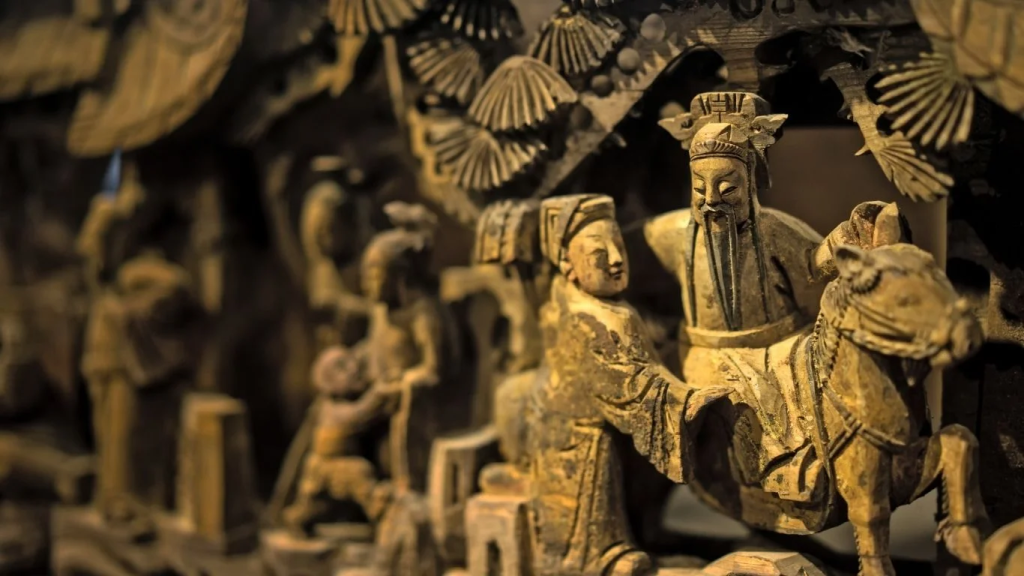
As we continue to uncover new archaeological sites, the importance of preserving ancient artz becomes increasingly clear. These masterpieces not only serve as a window into the past but also provide valuable insights into the cultures and histories of ancient civilizations. They help us understand the evolution of human society, religion, and technology.
Efforts to protect and restore these artworks are crucial to ensuring that future generations can continue to learn from them. Museums, researchers, and conservationists around the world work tirelessly to safeguard these treasures, using cutting-edge technology and techniques to restore damaged artifacts and make them accessible to the public.
The Future of Ancient Artz
With the rise of digital technologies, the future of ancient artz looks promising. Virtual reality (VR) and augmented reality (AR) are now being used to create digital reproductions of ancient works of art, allowing people to experience these masterpieces without physically visiting the sites. This not only helps preserve the art but also makes it more accessible to a global audience.
Additionally, advancements in artificial intelligence (AI) are enabling researchers to study ancient artz in new ways. AI can help reconstruct damaged pieces, analyze artistic styles, and even predict the materials and techniques used in ancient artworks. These innovations are opening up new possibilities for understanding and preserving the rich legacy of ancient art.
Conclusion
In conclusion, ancient artz is far more than just a collection of old artifacts. It is a dynamic and evolving representation of humanity’s journey through time. Whether through the grand monuments of ancient Egypt, the delicate sculptures of Greece, or the symbolic paintings of China, each piece of ancient art tells a story of a civilization’s values, beliefs, and achievements.
As we continue to uncover and preserve these masterpieces, we gain a deeper understanding of the diverse cultures that shaped the world we live in today. The study of ancient artz is not only a journey through history but also an exploration of the timeless human desire to create, express, and leave a mark on the world.
FAQs about Ancient Artz
Q: What is ancient artz?
A: Ancient artz refers to the artistic creations of early civilizations, including sculptures, paintings, pottery, and architecture, which reflect the cultural, religious, and social values of their time.
Q: Why is ancient art important?
A: Ancient art provides valuable insights into the beliefs, customs, and achievements of past societies. It helps us understand the evolution of human civilization and the role art played in religious and political life.
Q: What are some famous examples of ancient artz?
A: Famous examples include the Pyramids of Giza, the Ishtar Gate of Balon, and the Parthenon Marbles from Greece. These artworks showcase the advanced skills and cultural depth of their creators.
Q: How did ancient artists create their masterpieces?
A: Artists in ancient civilizations used materials like stone, clay, metal, and natural pigments. They employed techniques that ranged from simple carvings to highly detailed sculptures, reflecting both technological progress and artistic expression.
Q: How has ancient art influenced modern art?
A: Ancient art has heavily influenced modern artistic movements, including the Renaissance and Neoclassicism. Contemporary artists often draw inspiration from the forms, symbols, and techniques of ancient civilizations.
Stay In Touch For More Updates and Alerts! BUMRED