
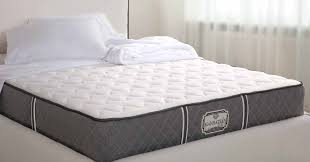
Selecting the right mattress is crucial for achieving restful and rejuvenating sleep. With the myriad options available, the process can feel overwhelming. A good mattress not only enhances comfort but also provides the support your body needs to maintain proper alignment during sleep. This decreases the risk of developing aches, pains, and long-term health issues.
An ideal mattress should cater to your personal sleep style, body type, and any specific health concerns you may have. Factors such as firmness level, material, and size all come into play. As you navigate this journey, exploring options like the MattressNextDay sleep trial can help you find the right fit without the pressure of a rushed decision.
This guide will walk you through essential criteria to consider when selecting a mattress, ensuring a thoughtful and details about the sleep trial that enhances your sleep experience.
Understanding Your Sleep Position
Your sleeping position significantly influences the type of mattress that will provide you with adequate support. For instance, side sleepers generally require a mattress that offers more cushioning to relieve pressure on the shoulders and hips. A medium to soft mattress often works well in this case.
Back sleepers tend to do best with a medium-firm mattress that supports the natural curve of the spine, while stomach sleepers usually need a firmer mattress to prevent sinking that can lead to back pain. Identifying your primary sleep position is the first step in selecting a mattress tailored to your comfort needs.
Firmness Levels and Their Importance
Mattress firmness plays a crucial role in how well the mattress supports your body. Firmness is typically rated on a scale from 1 to 10, where 1 is extremely soft and 10 is very firm. Most mattresses fall within the 3 to 8 range. A softer mattress generally provides a plush feeling but may not offer enough support for heavier individuals or stomach sleepers.
Medium to medium-firm mattresses often strike a balance, providing sufficient support while still allowing for some contouring. For those who prefer a firmer surface, options labeled as firm or extra firm may be ideal. Testing out mattresses to determine your preferred firmness is advisable.
Evaluating Mattress Materials
The material of the mattress can significantly affect comfort, support, and durability. Common materials include memory foam, latex, innerspring, and hybrid options. Memory foam is known for its contouring abilities, making it a great option for those who seek relief from pressure points.
Latex mattresses provide a more responsive feel, excellent for those looking for bounce and support. Innerspring mattresses often offer a traditional feel and good airflow, while hybrid mattresses combine the benefits of foam and coils. Understanding the pros and cons of each material will help you make a more informed decision based on your comfort preferences.
The Impact of Motion Isolation
If you share your bed with a partner, motion isolation becomes an essential factor in your mattress selection. Motion isolation refers to how well a mattress dampens movements so that one sleeper’s motion doesn’t disturb the other. Memory foam and latex are excellent at minimizing motion transfer due to their dense structure, making them ideal for couples.
Hybrid and innerspring mattresses may vary in motion isolation depending on their construction. When selecting a mattress, consider how well it will minimize disruptions during the night. Testing different models can give you a sense of how they perform in this area.
Trial Periods and Return Policies
One of the most effective ways to ensure you’ve chosen the right mattress is to take advantage of trial periods. Many retailers offer a sleep trial, allowing you to test the mattress at home for a designated period, often around 100 nights. During this trial, it’s crucial to sleep on the mattress in your usual position to truly assess whether it meets your needs.
If you find it doesn’t work for you, the return policy should allow for easy exchanges or refunds. The MattressNextDay sleep trial is a great option that provides peace of mind and encourages you to make a thoughtful choice without rushing.
Budget Considerations
Setting a budget before you begin shopping can help streamline your options and prevent overspending. Mattresses come in a wide price range, influenced the type of materials used, brand, and technology. While it’s tempting to go for the cheapest option, investing in a quality mattress is crucial for achieving better sleep. Keep an eye on sales and seasonal discounts, as these can provide opportunities to invest in a higher-quality mattress at a more affordable price. Balancing quality and budget will ensure you find a mattress that supports you while also fitting your financial needs.
Customization and Additional Features
Nowadays, many mattresses come with additional features that enhance comfort and usability. Some models include adjustable bases, allowing you to change the angle of the mattress for added support or comfort while reading or watching TV in bed. Additionally, look for options that feature cooling technology for those who tend to sleep hot, or hypoallergenic materials for allergy sufferers. Before making a purchase, consider what extra features would contribute to your overall comfort and convenience. These customizations can significantly enhance your sleep experience and make your mattress feel even more tailored to your needs.
Frequently Asked Questions
How do I choose the right firmness level?
The right firmness depends on your sleeping position: side sleepers may prefer softer options, while back and stomach sleepers often benefit from medium to firm mattresses.
What materials should I consider for durability?
Latex and high-quality memory foam are known for their durability, with latex often outlasting other materials when properly maintained.
Can I exchange my mattress if it doesn’t work for me?
Yes, many retailers, including MattressNextDay, offer sleep trials that allow you to exchange or return the mattress within a specified period.
What is motion transfer, and why is it important?
Motion transfer refers to how much one person’s movements affect the other side of the bed. It’s crucial for couples to find a mattress that minimizes this disturbance.
How often should I replace my mattress?
It’s generally recommended to replace your mattress every 7-10 years, but personal comfort and signs of wear may necessitate more frequent replacements.
Conclusion
Selecting the right mattress is a vital step toward improving your sleep quality and overall health. By understanding your sleep position, assessing firmness levels, and evaluating material options, you can make a more informed decision. Don’t forget to take advantage of trial periods and return policies, which provide the flexibility to test your mattress at home. Keep budget considerations in mind while also looking for additional features that enhance comfort.
A thoughtful approach to mattress selection will not only help you find a product that meets your needs but will also invest in your long-term well-being. Start your journey toward better sleep today exploring the options available at MattressNextDay!