
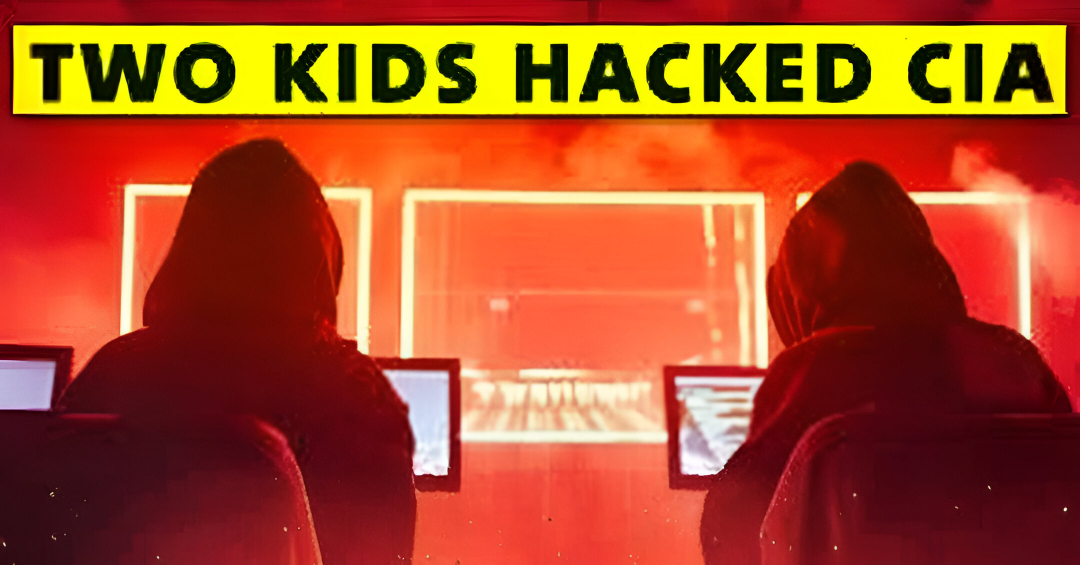
In the high-stakes world of global espionage, we often imagine elite Russian hackers or state-sponsored hacking groups deploying multi-million dollar “zero-day” exploits to penetrate the American military‘s inner sanctum. However, the reality of the 2015-2016 intelligence breach was far more suburban and humiliating.
The story of how two kids hacked the CIA is a chilling masterclass in social engineering. It involves a 15-year-old British teenager named Kane Gamble (online alias “Cracka”) and his American associate, Justin Gray Liverman, who together decapitated the digital privacy of the world’s most powerful intelligence officials—not with code, but with a phone and a “bad attitude.”
The Rise of “Crackas With Attitude” (CWA)
In late 2015, a new name shook the underground world of hacking groups: Crackas With Attitude (CWA). While they lacked the formal infrastructure of established syndicates, they possessed a raw, aggressive talent for “vishing” (voice phishing).
The group’s founder, Kane Gamble, was motivated a mix of teenage rebellion and political activism. Unlike Russian hackers who often seek long-term strategic intelligence or financial gain, CWA aimed to humiliate the American military and intelligence apparatus to protest U.S. foreign policy, specifically supporting the Palestinian cause.
The Key Players:
- Kane Gamble: The 15-year-old British mastermind who proved that age is no barrier to compromising global cybersecurity.
- Justin Gray Liverman: One of the most famous American hackers of this era (known as “Sht0r”), who provided the domestic support needed to facilitate localized attacks.
- Andrew Otto Boggs: An associate who assisted in the dissemination of stolen data to platforms like WikiLeaks.
The Method: Hacking Humans, Not Hardware
The most shocking aspect of this case is that the CIA‘s secure internal servers were never actually breached. Instead, the attackers exploited the “Human Firewall.”

1. The AOL Breach of John Brennan
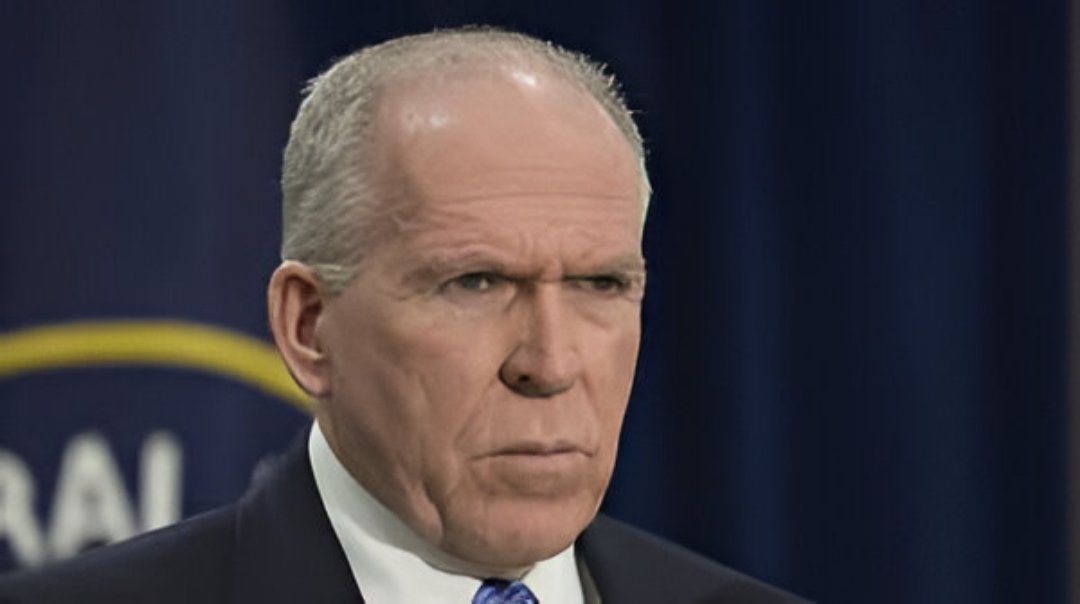
The group’s biggest trophy was the personal AOL account of then-CIA Director John Brennan. To gain access, Gamble performed a series of maneuvers that expose the massive vulnerabilities in modern cybersecurity protocols:
- Pretexting: Gamble called Verizon, posing as a technician to mine account details.
- The Reset: Armed with Brennan’s account number and PIN, he convinced AOL support to reset the password.
Inside the inbox, the hackers found a 47-page Security Clearance application (SF-86) containing the Social Security numbers and personal histories of hundreds of American military personnel.
2. Targeting the FBI and DNI
Following their success with the CIA, the group turned their sights on Mark Giuliano, the FBI Deputy Director, and James Clapper, the Director of National Intelligence. By gaining access to their personal accounts, they eventually found their way into the Law Enforcement Enterprise Portal (LEEP), a secure gateway for sensitive federal communication.
Global Context: CWA vs. Professional Hacking Groups
To understand the gravity of this breach, one must compare CWA to other global threats like Russian hackers (e.g., Fancy Bear) or the Lazarus Group.
| Feature | Crackas With Attitude (CWA) | Russian Hackers (APT28) |
| Primary Method | Social Engineering / Vishing | Malware / Phishing |
| Goal | Humiliation & Activism | Strategic Espionage |
| Visibility | Loud, Public, Taunting | Stealthy, Persistent |
While famous American hackers like Kevin Mitnick popularized social engineering decades ago, CWA brought it into the modern era, showing that even in an age of advanced cybersecurity encryption, a simple phone call remains a deadly weapon.
The Aftermath and Consequences
The bravado of CWA was their undoing. By taunting the FBI on Twitter and leaking sensitive American military data to WikiLeaks, they became a top priority for international law enforcement.
The Aftermath and Consequences
The bravado of CWA was their undoing. By taunting the FBI on Twitter and leaking sensitive American military data to WikiLeaks, they became a top priority for international law enforcement.
- Kane Gamble: Sentenced in 2018 to two years in a youth detention center. The judge described his actions as “an extremely nasty campaign of politically-motivated cyber terrorism.”
- Justin Gray Liverman: Sentenced to five years in federal prison in the U.S.
- Cybersecurity Impact: This incident forced the Department of Homeland Security (DHS) and the American military to strictly ban the use of personal emails for sensitive government business.
Multimedia: A Deeper Look into the Hack
For a visual breakdown of how these teenagers managed to pass the security of the most guarded men on earth, watch this investigative documentary:
Why Social Engineering is the #1 Cybersecurity Threat
Despite billions spent on defense software, the “human element” remains the weakest link. Most famous American hackers throughout history agree that it is much easier to trick a person than to crack 256-bit encryption.
Key Takeaways for National Security:
- Mandatory MFA: Personal accounts of high-ranking officials are high-value targets.
- Vishing Training: Support staff must be trained to recognize psychological manipulation.
- Data Isolation: Never store official American military or intelligence data on private, commercial servers.
High-Authority Resources:
- FBI Cyber Crime Division
- CISA: Understanding Social Engineering
- The Evolution of American Hackers (EFF)
SEO Meta Data:
Meta Description: How did two teenagers bring the CIA to its knees? Read the full story of Kane Gamble, Crackas With Attitude, and the social engineering breach that exposed the American military.
Focus Keyword: How two kids hacked CIA
Keywords: American military, Famous American hackers, Hacking Groups, Russian Hackers, Cybersecurity, Kane Gamble, Social Engineering.