
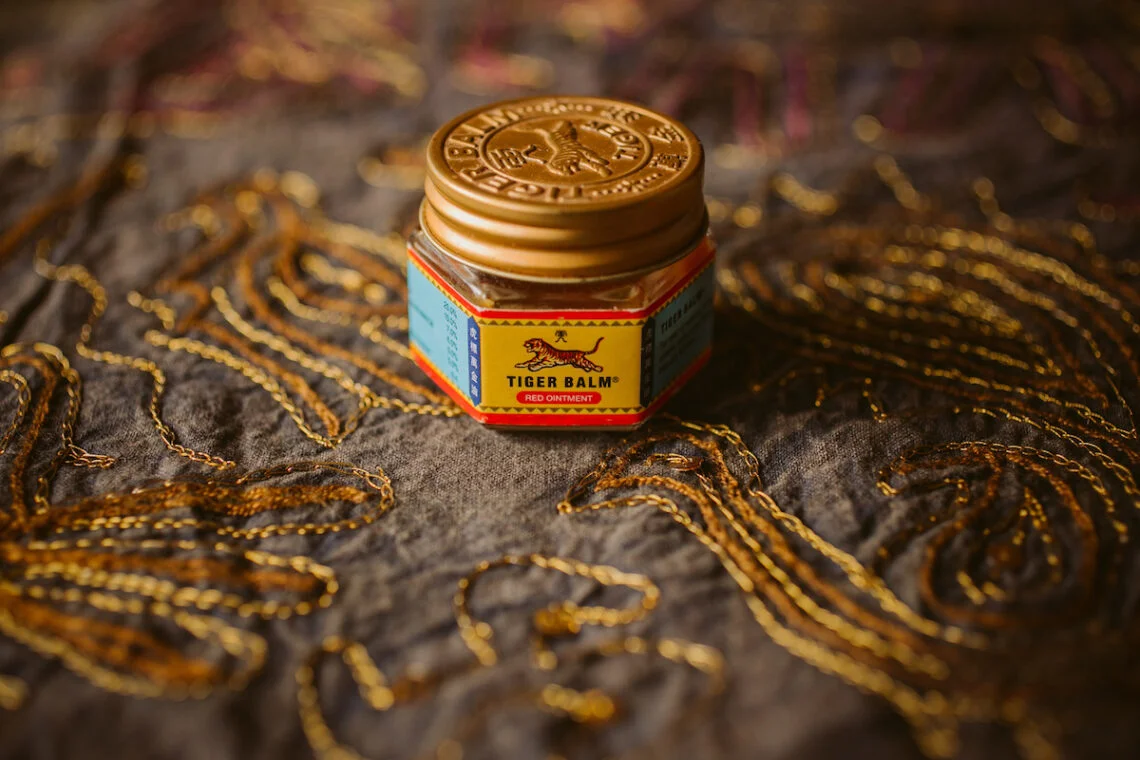
Tiger Balm is one of the most recognizable topical pain relief products in the world. Used for muscle aches, joint pain, headaches, and even insect bites, it has been a household remedy for decades. Yet, from time to time, people search online asking: Why is Tiger Balm illegal?
The short answer is: Tiger Balm is not illegal in most countries. However, certain formulations, ingredients, or regulatory issues have led to confusion and, in some cases, temporary restrictions. Let’s break down the facts.
Is Tiger Balm Actually Illegal?
In general, Tiger Balm is legal and widely available in countries like the United States, Canada, the United Kingdom, Australia, and across much of Asia.
However, specific concerns may arise due to:
- Ingredient regulations
- Import restrictions
- Labeling requirements
- Counterfeit products
- High-concentration formulations
These factors sometimes lead to misunderstandings about its legal status.
Ingredient Regulations and Restrictions
Tiger Balm contains active ingredients such as:
- Camphor
- Menthol
- Cajuput oil
- Clove oil
- Cassia oil
In many countries, these ingredients are regulated because they can be harmful if misused or ingested.
Camphor Limits
Camphor, one of the key ingredients, is strictly regulated in some regions. For example, in the United States, over-the-counter topical products must not exceed certain camphor concentration limits. Products that exceed those limits may not be approved for sale.
If a version of Tiger Balm contains camphor above the legal threshold, it may be restricted or reformulated for that market. This can create the impression that it is “illegal,” when in reality it simply does not meet local regulatory standards.
Different Formulations for Different Countries
Tiger Balm is manufactured in multiple formulations depending on the country. For example:
- Red and White versions contain slightly different ingredient blends
- Some regions allow stronger concentrations
- Others require specific labeling and safety warnings
If an imported version does not comply with local health regulations, customs authorities may block its sale. This is not a ban on Tiger Balm itself, but rather enforcement of local compliance rules.
Concerns About Misuse
Another reason for confusion is misuse. Tiger Balm is meant for external use only. In rare cases, improper use—such as ingestion or applying excessive amounts—can lead to irritation, burns, or toxicity, particularly in children.
Because of this, health agencies often issue safety warnings about camphor-containing products. These warnings sometimes get misinterpreted online as evidence that the product is illegal.
Counterfeit and Unregulated Products
In some markets, counterfeit Tiger Balm products have appeared. These may contain incorrect ingredient concentrations or unsafe additives. When authorities seize counterfeit goods, reports may circulate suggesting that Tiger Balm has been banned, when in fact the crackdown targets fake or unsafe versions.
Purchasing from authorized retailers helps avoid this issue.
Are There Countries Where Tiger Balm Is Banned?
There is no widespread global ban on Tiger Balm. However:
- Some countries may restrict specific formulations.
- Certain ingredients may be prohibited in particular regions.
- Importing large quantities without proper approval can lead to confiscation.
These are regulatory compliance issues—not outright criminalization of the product.
Is Tiger Balm Safe?
When used as directed, Tiger Balm is generally considered safe for adults and older children. However, precautions include:
- Do not ingest
- Avoid contact with eyes or broken skin
- Do not use on very young children unless advised a doctor
- Follow labeled instructions carefully
People with sensitive skin or allergies should test a small area first.
Why the Confusion Exists
Search trends about “Why is Tiger Balm illegal?” often stem from:
- Social media rumors
- Misleading blog posts
- Confusion about camphor regulations
- Stories about counterfeit seizures
- Country-specific import rules
In reality, Tiger Balm remains a legal and popular over-the-counter remedy in most parts of the world.
The Bottom Line
Tiger Balm is not illegal in most countries. However, certain formulations may face restrictions due to ingredient concentration limits, regulatory requirements, or import compliance rules. Safety concerns—particularly around camphor—have also contributed to misunderstandings.
If you are unsure about its legality in your area, check your country’s health authority guidelines or purchase the product from reputable retailers to ensure it meets local regulations.
In most cases, the idea that Tiger Balm is illegal is more myth than fact.